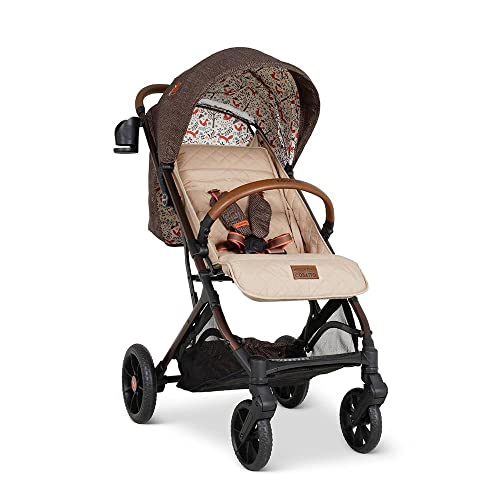
Exploring Off-Road Travel Systems: Your Guide to Adventure
Off-road travel uses a thrilling escape from the ordinary, allowing adventurers to explore rugged surfaces, spectacular landscapes, and remote environments. Whether for recreation or utility, off-road travel systems incorporate vehicles, equipment, and preparation techniques that help with these journeys into the wild. This post will delve into the essential elements of off-road travel systems, tips for preparing your adventure, and regularly asked concerns to help you browse this thrilling world.
Understanding Off-Road Travel Systems
An off-road travel system consists not simply of the vehicles themselves but likewise the gear, tools, and methods required for successful off-roading. This system can consist of:
- Off-Road Vehicles: These are specially created to stand up to rough terrains. Common examples consist of trucks, SUVs, ATVs, and motorcycle.
- Security Equipment: Essential for ensuring a safe journey, consisting of helmets, first help kits, and healing equipment.
- Navigation Tools: GPS gadgets, maps, and compasses that help in properly plotting a course through unknown territories.
- Camping Gear: For extended journeys, camping gear ends up being important. This includes tents, cooking equipment, and other essentials.
- Upkeep Tools: Off-road vehicles can suffer wear and tear; for that reason, a toolkit for on-the-go repair work is very important.
Key Components of Off-Road Travel Systems
Below is an in-depth table showing the vital components of a comprehensive off-road travel system:
| Component | Description | Secret Examples |
|---|---|---|
| Off-Road Vehicles | Automobiles designed for rough, irregular terrains | Trucks, SUVs, ATVs, dirt bikes |
| Security Gear | Equipment to protect and react to injuries | Helmets, first help sets, safety belt |
| Navigation Tools | Gadgets or tools to help browse the terrain | GPS units, physical maps, compasses |
| Outdoor camping Equipment | Gear for comfy overnight remain in the field | Tents, sleeping bags, cooking products |
| Maintenance Tools | Equipment needed for lorry maintenance during the journey | Tire repair work packages, wrenches, oils |
Preparation Your Off-Road Adventure
Preparation an off-road adventure involves cautious consideration of different factors to enhance the experience while ensuring security. Below are vital steps to consider:
- Research Your Destination: Understand the terrain, availability, and possible challenges.
- Pick the Right Vehicle: Select a car that matches the terrain and the size of your group.
- Prepare Your Equipment: Make sure your vehicle is completely equipped with the ideal safety equipment, navigation tools, and outdoor camping materials.
- Produce a Detailed Itinerary: Include your path, estimated travel times, and stopping points.
- Inform Others of Your Plans: Always let someone know your schedule in case of emergency situations.
- Load Smart: Bring just what you require to save space and weight but ensure you have all basics.
- Inspect Weather Conditions: Keep upgraded on weather projections to get ready for possible ecological challenges.
Regularly Asked Questions (FAQ)
1. What type of car is best for off-road travel?
The best car depends upon the terrain and function of the journey. Normally, 4x4 trucks or SUVs are popular for their power and storage capability, while ATVs are favored for more treacherous surfaces.
2. Is off-road travel safe?
Off-road travel can be safe if properly planned. Guarantee you have the right gear, know your automobile, have a map of the location, and are gotten ready for emergency situations.
3. Do pushchairsandprams.uk need an unique license for off-road driving?
Licensing requirements differ by area. In numerous locations, a standard motorist's license is adequate, however some areas may require special authorizations for particular automobiles.
4. What are vital security products to bring?
Basic safety items consist of an emergency treatment set, additional water, fire-starting materials, a flashlight, and tools for minor car repair work.
5. Can I camp while off-roading?
Yes, camping is a popular activity connected with off-roading. Make sure to check policies for camping in the area and adhere to Leave No Trace concepts to reduce your effect on nature.
Off-Roading Etiquette
While the excitement of off-roading can be liberating, it's crucial to follow particular guidelines to guarantee accountable usage of the environment. Here's a list of off-roading rules ideas:
- Stay on Established Trails: This reduces environmental destruction and safeguards wildlife habitats.
- Be Respectful to Others: Acknowledge other adventurers and follow appropriate speed limits.
- Prevent Creating Noise Pollution: Excessive sound can disturb wildlife and other visitors.
- Leave No Trace: Carry out what you carry in; respect the natural landscape.
- Understand Local Laws: Stay updated on local policies and adhere to them.
Off-road travel systems use more than simply an experience; they offer an entrance to get in touch with nature and check out the excellent outdoors. By understanding the vital parts, planning carefully, and keeping security in mind, anybody can start the thrilling journey that off-roading offers. Whether traversing rocky mountains or cruising through sandy deserts, the off-road neighborhood invites anybody happy to embrace the thrill of experience. So equipment up, buckle in, and take the road less traveled-- nature is waiting for you!